
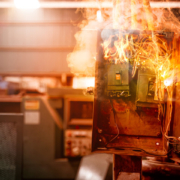
How to Prevent and Extinguish Electrical Fires in a Commercial Building
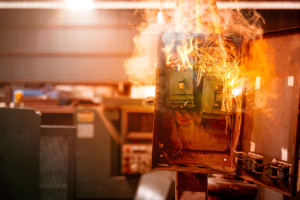 According to the National Fire Protection Association, structure fires in professional buildings account for millions of dollars in property damage each year. Electrical distribution and lighting are the second leading cause of these fires, making up approximately 15% of the total property damage. Taking a proactive approach to fire safety and prevention will lower the likelihood of an unexpected blaze and keep your business and employees safe. Here are some tips for preventing and extinguishing electrical fires in commercial buildings.

 Restaurant managers and owners need to prioritize their security. This not only keeps the restaurant, customers, and employees safe, but it also helps protect the restaurant’s future success. Security incidents can be costly, but with the proper measures, you can help prevent these incidents from occurring.
 Healthcare organizations have a lot to protect, including patients, staff, medical records, medications, and valuable equipment. If you’re looking for a security solution for your healthcare organization, choosing a partner that understands your business’s needs is vital.
 Daylight savings time comes around twice per year, making it a fantastic opportunity to do a seasonal safety check-in around your home. Massachusetts winters are notoriously cold, so it’s essential to prepare for inclement weather and the hazards that come with it. Keeping your home safe and stocked with emergency supplies will save you a last-minute trip to the store during poor weather. Use this seasonal safety checklist to prep your household for the coming months.
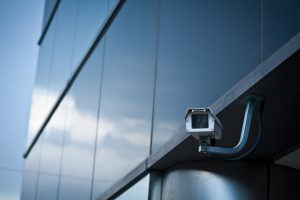 Commercial security systems are integral to protecting your employees, products, and your premises from hazards like fires or break-ins. They can also assist with quality control and loss prevention, protect you against false injury claims, and help you monitor employee attendance and behavior in the workplace.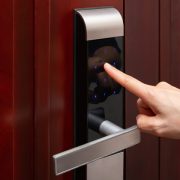
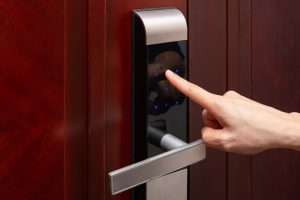 For families and households where many individuals are coming and going, keyless entry offers additional security and convenience. There’s no longer a need to hide a spare key for service providers or any concern about your children misplacing their key copies and getting locked out of the house after school. With keyless entry you can add and revoke access to your home any time you need to. You don’t even need to be there in person!
 The number of different security systems you rely on to run your business safely can quickly become overwhelming. Between your fire, access control, burglar alarms, video networks, and environmental systems, staying on top of vendors, billing, and system maintenance requires a significant time investment.
 When your security system is triggered, an alarm notification is transmitted to a Central Station, usually via a phone or internet connection. What happens if the connection is compromised? A burglar may cut your building’s power supply, or your cable or phone lines could be damaged during a fire.
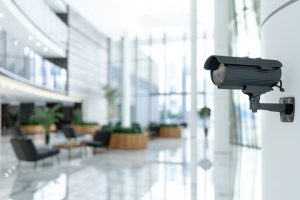 Internet protocol (IP) video cameras are a popular alternative to analog cameras because they use a local area network (LAN) to send and receive footage to an internet or video server. Data is stored such that nothing is lost if the system is tampered with or damaged.
 Having a monitored burglar alarm in your home offers peace of mind that you’ll be alerted in the event of a break-in. Have you ever considered what you should do in the event that it goes off? Whether a false alarm or a valid one, knowing what steps to take in either scenario is essential. Here’s what to do before and after your burglar alarm goes off.