
Security You Can Trust
Alarm Safety for Individuals with Hearing or Vision Impairment
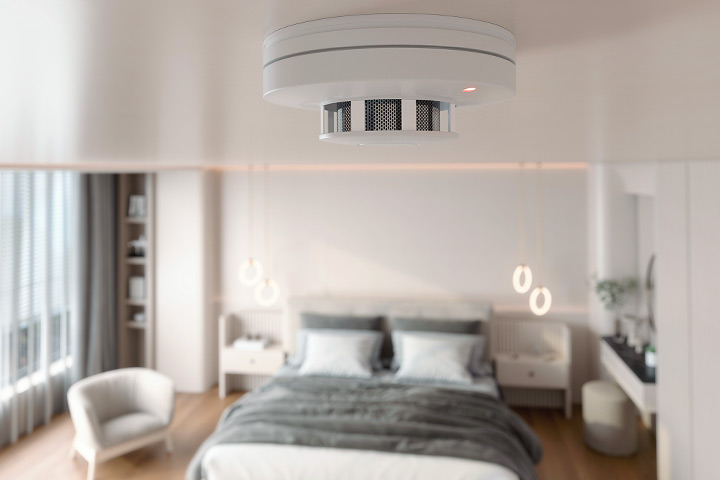 For individuals with vision or hearing impairments, the right alarm system is essential to safety. Advances in smart and assistive technology have made these systems more reliable, user-friendly, and reassuring for both individuals and their families. Today’s solutions go beyond standard smoke detectors, offering customized features that ensure no critical alert is missed. Here’s what you need to know.
Alarm systems for the visually impaired
For individuals with vision impairments, alarms must do more than simply make noise; they need to deliver clear, reliable signals that can be understood quickly in an emergency. Modern systems combine traditional sound alerts with smart features, tactile cues, and connected devices to ensure no warning goes unnoticed.
Some of the available features include:
- Audible alarms with distinct tones: Standard alarms can blend into background noise, making them less effective for those with vision impairments. Alarms with distinct, loud, lower-frequency tones (or multiple patterns) stand out clearly and help individuals recognize an emergency quickly.
- Voice alerts: These alarms announce the type and location of danger, such as “Smoke detected in the kitchen.” The trigger is converted into a prerecorded or synthesized voice, delivered through the alarm, a smart speaker, or a connected phone. This ensures individuals understand the emergency right away.
- Vibration and tactile alerts: These systems use physical sensations to signal danger. Devices like bed shakers, wearables, or vibrating pads activate when an alarm is triggered, providing a strong vibration that can wake or alert someone immediately.
Alarm Systems for the Hearing Impaired
For those who are deaf or hard of hearing, relying on sound alone is not enough in an emergency. Modern alarm systems have been designed with this in mind, using visual signals, physical vibrations, and smart technology to make sure no warning goes unnoticed.
These tools not only enhance safety but also give individuals greater independence and confidence in their daily lives. According to San Diego Hearing, 43% of research subjects from a paper titled “Waking Effectiveness of Alarms for Adults Who Are Hard of Hearing” did not awaken to the high-pitched signals generated by smoke detectors.
This points to the importance of alarm systems that take into account those with hearing impairments, whether completely deaf or with reduced ability to hear.
- Strobe light alarms: These alarms use bright, flashing lights to signal an emergency, ensuring warnings are seen even when sound isn’t heard.
- Vibrating alerts: Bed shakers, pagers, or wearable devices provide strong vibrations, especially useful at night when visual cues may be missed.
- Smart alarms and apps: Connected systems send notifications to smartphones, tablets, or smartwatches, adding another layer of protection for those with partial or total hearing loss.
- Integrated systems: Some alarms combine lights, vibrations, and smart alerts, creating multi-sensory protection for individuals with different levels of hearing impairment.
Safety is essential for everyone, and with the right alarm systems, individuals with vision or hearing impairments don’t have to face added risks. Whether through sound, light, vibration, or smart technology, today’s solutions ensure that critical alerts are never missed. By understanding the options and choosing the right features, people and their loved ones can feel more secure, confident, and prepared in any situation.
NEXT STEPS:
- Contact us today to learn more about security and surveillance.
- Learn more about what home and business security means to us.
- Subscribe to our blog to stay informed about the latest security news and insight.