How Monitored Fire Alarms Help Firefighters Respond Faster
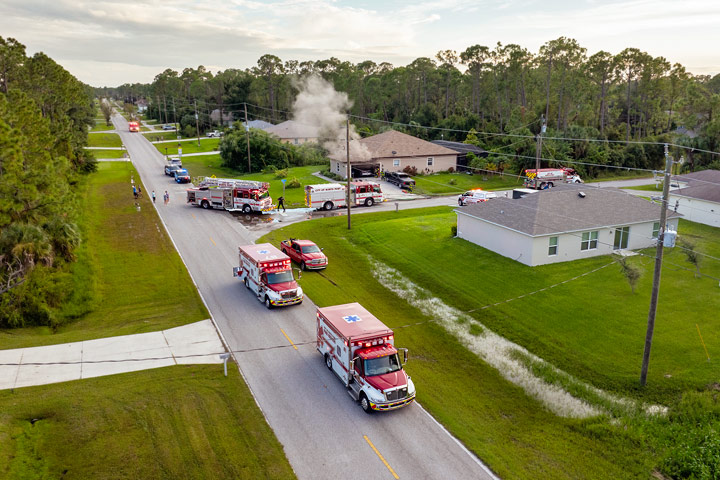
When there is a fire, every single second counts. The difference between a contained incident that doesn’t completely destroy your home and a total loss often comes down to one thing: how quickly firefighters were notified that there is an emergency. Every 60 seconds, a fire doubles in size, and within 3-5 minutes a small fire can engulf an entire room. Give it a few more minutes, and it will have already moved on to more.
Read more

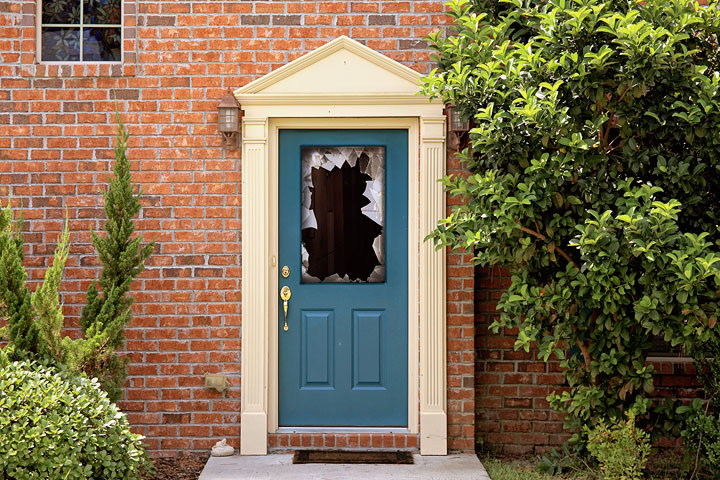
When Do Most Break-Ins Occur? A Prevention Guide

Many people assume that break-ins usually happen during the night, under the cover of darkness. But crime data and research tell a different story. The majority of household burglaries happen in broad daylight. Sixty-five percent of burglaries happen during the day, when burglars know homes are likely to be empty (The Zebra).

Read more

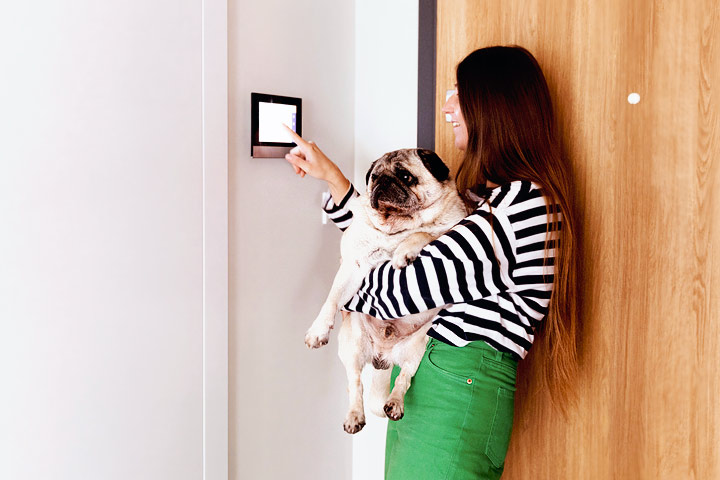
Love Your Pets?
Here’s How to Keep Them Safe When You’re Not Home

For millions of pet owners, leaving the house means trusting that your furry friends will be safe until you return home. Most of the time, they are totally fine, however, pets are vulnerable to household emergencies in ways that humans aren’t. Your pet can’t call 911 or understand why an alarm has been set off.
Read more

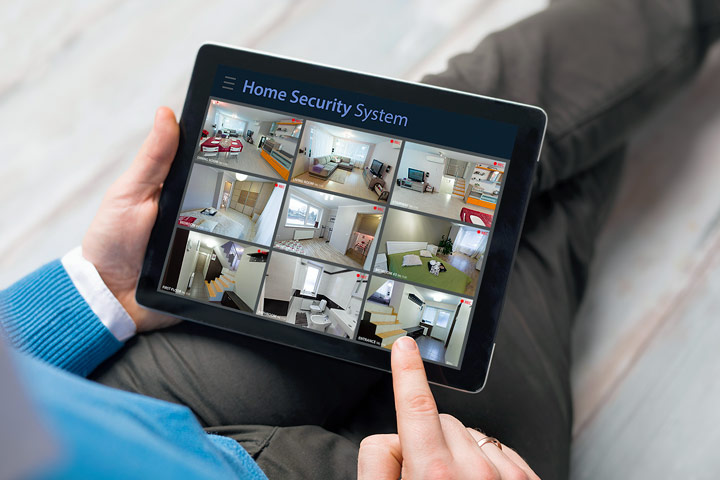
Top Myths About Home Security Systems (And the Truth Behind Them)

When it comes to protecting your home, misinformation can lead to costly blind spots. Many homeowners still believe outdated myths about home security systems, assuming they’re too complicated, unnecessary, or only useful in certain situations.

The reality is that modern security systems do much more than sound an alarm during a break-in. Here are some of the most common misconceptions about home security, and the truth behind them.

Read more

The Top Security Risks That Rise with Warmer Weather (and How to Prevent Them)

As the weather warms up, daily routines start to shift. Windows are opened to let in fresh air, garage doors stay up a little longer, and more time is spent outdoors. It’s one of the best parts of the season, but it also creates new opportunities for security risks.

Property crime tends to increase in the spring and summer months, often driven by simple, preventable situations. Understanding where vulnerabilities come from and how to address them can help you stay protected as the seasons change.

Read more

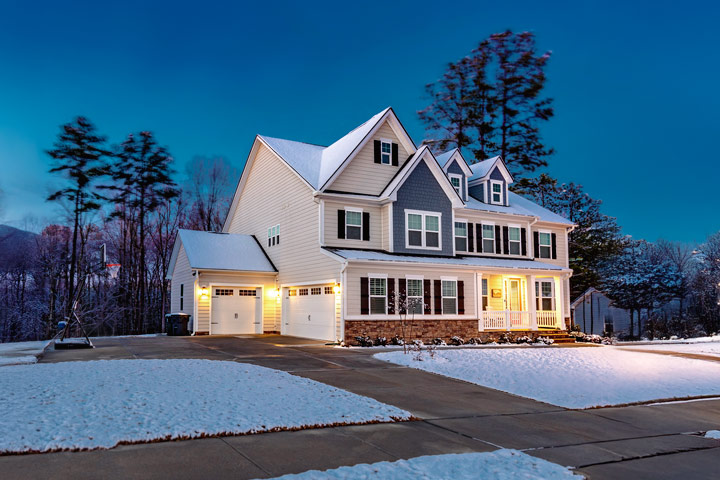
Your Alarm System Is More Than 10 Years Old: Do You Need an Upgrade?

Many homeowners assume their alarm system will keep working as long as it turns on and off without issue. But like most technology, security systems don’t last forever.
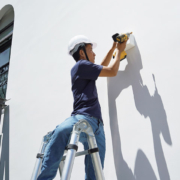
If your system is more than 10 years old, it may still function day to day, but that doesn’t mean all components are providing optimal protection. Over time, both the hardware and the way your system communicates can become outdated, increasing the risk of missed signals or delayed response.
Read more

How We Use Customer Feedback (and NPS) to Deliver Better Security Service

A strong security service depends on more than technology. It requires a provider to understand customer needs and continuously improve how service is delivered. Customer feedback plays a key role in how American Alarm evaluates and refines its service. One of the tools we use is Net Promoter Score (NPS), which helps us measure how customers feel about their experience and identify opportunities to improve.
Read more

Five Ways to Protect Your Home During Winter Vacation

February break is coming up and with the time-off from school, it’s a great time to get away from the cold and vacation somewhere warmer. But while you’re enjoying warmer temperatures, your house could be at risk. It’s important to make sure that everything is in working order while you’re away so that you can return to a home that’s exactly as you left it.
Read more

Carbon Monoxide Safety: What Every Homeowner Should Know

Carbon monoxide (CO) is one of the most dangerous household hazards because it’s impossible to detect without the right tools. It’s colorless, odorless, and tasteless, yet exposure can lead to serious illness or even death. Risk tends to peak during the winter months, when heating systems run more frequently, homes are sealed tightly against the cold, and fuel-burning appliances are under heavier use.
Read more

Top Home Security Resolutions for 2026

When you think about home security, you probably picture equipment like keypads, cameras, and sensors. But in reality, your habits make up a key part of your home security strategy.

As we head into 2026, the most effective home security resolutions aren’t complicated or time-consuming. They’re small, repeatable actions supported by technology that works quietly in the background.

Read more