Medford

5 Tips to Protect Your Pets in Emergencies

pet-safetyHave you ever thought about what would happen to your furry family members if a hurricane, fire, flood or other natural or man-made disaster were to strike? A well-thought-out plan will help you and ALL of your family members get back together, get help and increase the chances that everyone will stay safe in the event of an emergency.



Here are five tips to help you protect your pets in emergencies:

    1. Identify a Safe Haven – If you have to leave your home, don’t leave your pets behind. Pets can’t survive on their own. They could escape, become trapped, or worse. Before an emergency strikes, be sure you have identified which shelters accept pets. Some shelters are unable to take in pets for public health reasons. If you’re thinking about evacuating to a local motel or hotel, you should call beforehand and ask if the location allow pets. You can also ask your veterinarian for a list of kennels or boarding facilities in the area.
    2. ID Your Pets – Ensure that your dogs and cats are wearing collars with up-to-date identification tags, containing their names and any urgent medical needs. Your cell phone number should also be on your pets’ tags. Having your pets micro chipped will also increase your chances of being reunited with them if they get lost. However, remember that the average person who finds your pet isn’t able to scan for a chip but that individual will be able to read an ID tag.

Read more

Peterborough

Home Security: Make Your Yard Safe for Summer

iStock_73884753_LARGEWarm weather has finally made its way back to New England. We have a long summer ahead of us to enjoy cookouts, bonfires, or even relaxing in a lounge chair with a good book. But before you enjoy all the benefits of being outside, make sure your yard is a safe place for your family. Read more

School Vacation Safety Tips This Spring

Spring vacation is just around the corner. Time for relaxation and fun. It’s a time of year many families take a break from their every day lives and travel to somewhere really warm and fun.
For other families, though, spring break means kids having to stay home alone or with a caretaker while mom and dad are at their jobs.

Whether you’re jetting off to Walt Disney World with your children or sitting in your office cubicle while they’re amusing themselves at home, it’s important to take some precautions to ensure their safety.

Here are some tips to help your kids have fun and stay safe during school vacation no matter where they are. Read more

Spring Cleaning Safety Tips

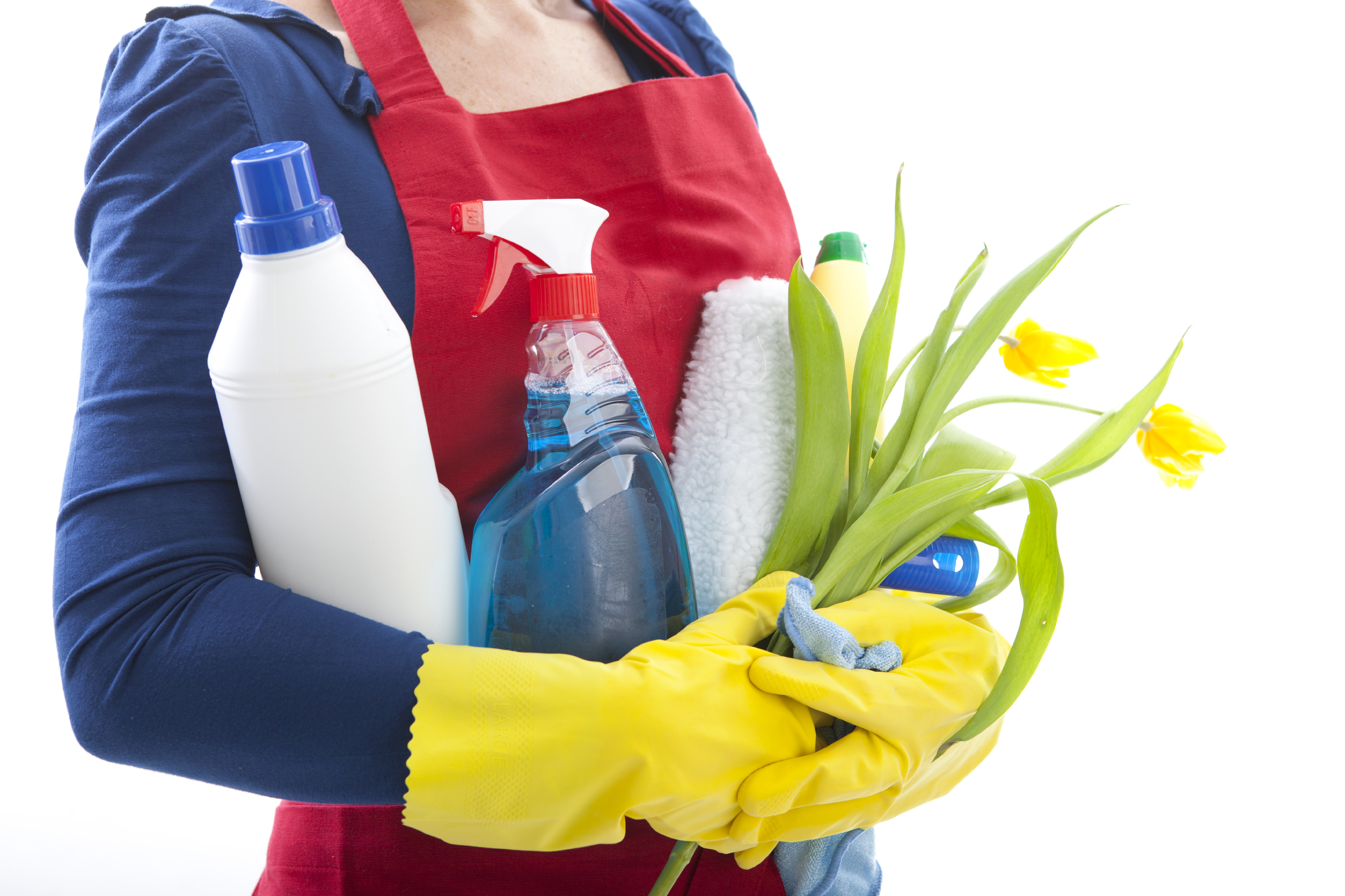
spring_cleaning (2)A funny thing happens when we open up our windows in the spring. The oxygen which we have been deprived of through the stuffy winter months goes straight to our brain, and for a few weeks we feel like we are on top of the world! We become motivated to do all sort of crazy stuff, like clean the entire house. If spring cleaning fever has already hit you, follow these safety tips.

Read more

Travel Safety During the Holidays

Travel Safety During the HolidaysFor many of us, the holidays often mean traveling to visit family and friends in other cities, states, and even across the country.
If you’re planning a family trip this year, these holiday travel tips will help you arrive at your destination safely.

However, before you set off for [insert name of your relative/family friend here]’s house, you should ensure that your home security system is working properly. Test all your burglar and fire devices as well as cameras. Let your alarm company know that you’ll be doing this and that you’ll be traveling so they know how to respond to signals when you’re gone.

Read more

When You Should Change Your Door Locks

When You Should Change Your Door LocksAlthough the best way to protect your family and your valuables is by installing a home security system, changing the locks on your doors is also an important safety measure that you shouldn’t overlook.

If you’re like most people, you probably haven’t given much thought to getting new or at least re-keying the existing locks.

That doesn’t mean you have to change your door locks on a regular basis the way you have to change the batteries in your smoke detectors. Rather, there are certain times when you should consider replacing or re-keying the locks on your doors, including:

Read more

The 6 Worst Places To Hide Your Valuables

The 6 Worst Places To Hide Your ValuablesContrary to popular opinion, hiding your family jewels or other valuables in unusual places won’t keep the bad guys from stealing them—but it might make it a little more difficult.

You can be sure if a burglar breaks into your home, he’s going to tear it apart trying to find all your valuable items. However, he’s probably not too keen on spending a whole lot of time ransacking the place.

The longer it takes, the greater the chance he’s going to be caught. So don’t make it easy by hiding your money or your expensive items in the spots where he’ll look first.

Here are the six worst places to hide your valuables:

Read more

How To Make Your Home Hard To Hack

How To Make Your Home Hard To HackIf you think a bad guy has to physically break into your home to steal from you, you might want to think again. As more devices in your home become connected to the Internet—the Internet of Things (IoT)—the more data they can gather about you like Social Security numbers, bank account, and credit card information.

That’s why cybercriminals are turning their attention to hacking into common household devices, including refrigerators, TVs, thermostats, and even baby monitors to crack your home network and gain access to valuable personal information.

Read more

Power Outage: Be Prepared for When the Lights Go Out

There is something about a power outage that brings the family together. When the lights go out, it forces the family to put down their electronics and break-out the board games. While a break from technology can be nice, a long-term power outage can threaten your security.

Here are some safety tips for you to follow in case of a power outage.

Invest in a generator:

Over the past decade, much of New England has experienced more frequent and longer lasting power outages due to intensified weather. A long-term power outage can be deadly in the winter when temperatures drop below freezing. To protect your family, look into purchasing a generator.

Before you buy, research how much power you will need. Inspect labels on lightning and appliances that you will want to run. This is important because if your generator doesn’t produce adequate power, you could blow a fuse and damage your appliances.

Use your generator properly:

  • Never use a portable generator indoors, including the garage, basement, or attic. They emit deadly levels of carbon monoxide, which will build up even in a ventilated area.
  • If possible, install battery operated CO detectors through your home. They will warn you of dangerous CO levels.
  • To avoid electrocution, keep the generator in a dry area (under a tarp, for instance).
  • Always turn off the generator and let it cool down before refueling.
  • Plug appliances directly into the generator, or use a heavy-duty extension cord.
  • Never plug the generator directly into a wall outlet. This can pose a deadly electrocution risk to workers trying to restore power, or neighbors using the same transformer.

Properly store food/ water:

Food can spoil quickly in a power outage. Even if you avoid opening your refrigerator, the food will only stay fresh for 4 hours. Keep coolers and ice on-hand to store your food in. If you avoid opening your freezer, the food will stay safe for 24-48 hours. Stock-up on non-perishable items if you believe you may lose power.

During a power outage, your water purification system may not work.  Check with local authorities if your water is safe to drink. If unsure, try to only use bottled water for drinking, cooking, and cleaning. You can also boil tap water to eliminate most harmful bacteria.

Invest in batteries/ battery operated electronics:

Some important battery operated devices to have on hand includes a flashlight, radio, and phone charger. Avoid using candles as a source of light.

Keep an eye on your security system:

You will need to silence your alarm after the power goes out. In most cases, your back up battery will last 10-15 hours. Your alarm may begin to omit a beeping noise, signaling low-battery. This beeping may become more frequent as the battery gets lower. Make sure that someone is nearby to silence the alarm. For your protection, do not power down your system.


In the event of a power-outage, the most important thing is to stay calm. Keep in mind that emergency personnel are out and working hard to restore power. If you have questions, call your local non-emergency hotline.

Home Safety and Security Tips for First-Time Parents

AA-Home Safety and Security Tips for First-Time ParentsCongratulations. You’ve just welcomed your first bundle of joy to the world. Now it’s time to take him or her home for the first time.

You’re a little overwhelmed—that’s understandable. You were so hoping the hospital would send you home with an instruction manual chock full of tips and information on the baby’s first year. You need answers and fast. Now you’ll have to order that manual on Amazon and wait for it to arrive.

Nevertheless, you’re relieved that such a book even exists because you need all the help you can get.

However, until that book arrives, we’d like to offer some tips to help ensure that your home is as safe as it can be for your little one:

Read more