
Security You Can Trust
Water Sensors vs. Water Damage: Why Early Detection Matters
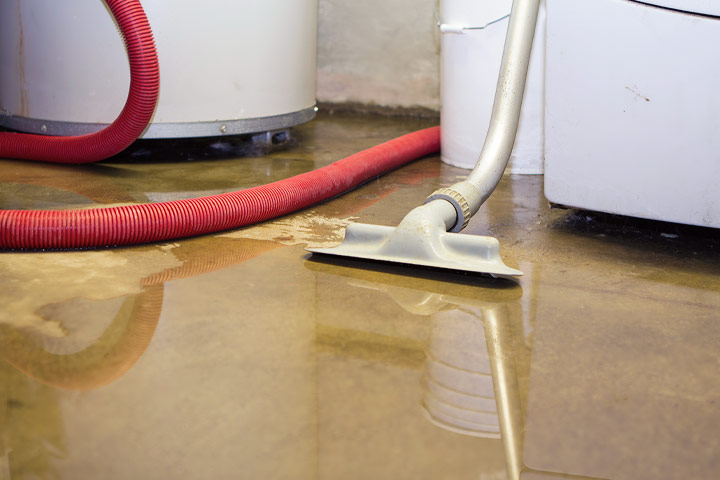 Water damage doesn’t always start with a dramatic flood. A leaking pipe, malfunctioning appliance, or buildup of moisture can cause significant damage if it goes unnoticed.
The difference between a manageable water issue and a costly disaster often comes down to one thing: how quickly the problem is detected.
Water sensors provide an early warning when unexpected water is present, giving homeowners an opportunity to respond before a small leak becomes a major problem.
What are water sensors?
Water sensors detect the presence of water in areas where leaks or flooding could occur. When a sensor detects water, it can trigger an alert so you can investigate and address the problem.
This can be especially valuable when you’re away from home. A leak that happens while you’re at work, traveling, or simply asleep could continue for hours before anyone notices it. An alert provides an opportunity to respond much sooner.
Beyond flooding: where water damage can start
Flooding is only one potential source of water damage in a home. Sensors can also help identify problems caused by:
- Burst or leaking pipes:
A damaged pipe can release a significant amount of water in a short time. Early detection can help limit how long the water flows before you can respond. - Appliance leaks:
Washing machines, dishwashers, water heaters, and refrigerators can all develop leaks. What starts as a small amount of water can eventually damage floors, walls, cabinets, or belongings. - HVAC systems:
Unexpected moisture around heating and cooling equipment can indicate a problem that needs attention before it causes more extensive damage. - Rising water:
Heavy rain, snowmelt, or other conditions can introduce water into vulnerable areas of your home. Sensors can provide an early warning when water begins entering the property.
Why early detection matters
The longer water goes undetected, the more opportunity it has to spread. Detecting a problem quickly can help:
- Minimize property damage by limiting how far water spreads.
- Protect your belongings from prolonged exposure to water and moisture.
- Limit secondary damage associated with prolonged moisture, including damage to building materials and potential mold growth.
- Reduce repair costs by addressing a problem before it becomes more extensive.
- Potentially reduce insurance claims by limiting the severity of a water-related loss.
Water detection as part of environmental monitoring
Water detection is one part of a broader environmental monitoring strategy. Depending on the system, homeowners can monitor conditions such as:
- Water
- Temperature
- Humidity
Monitoring these conditions can provide an early warning of problems that may not trigger a traditional security alarm. For example, an unexpected change in temperature could indicate an issue with your heating system, while excess humidity can signal a moisture problem.
Environmental monitoring systems can also detect the presence of toxic gases, including carbon monoxide and natural gas.
Water sensors offer protection when you’re not home
Water problems don’t wait for someone to be home. A pipe can burst overnight, an appliance can leak while you’re at work, or flooding can occur while you’re away on vacation.
Water sensors can identify an issue even when no one is there to see it. With monitored systems, alerts provide an additional layer of protection, giving you or someone you trust an opportunity to respond sooner.
Early detection is key
Water sensors can’t prevent a pipe from bursting, but they can help ensure the problem doesn’t go unnoticed.
The sooner a water issue is identified, the sooner you can respond — potentially limiting property damage, protecting your belongings, and reducing costly repairs. Whether the risk is flooding, a burst pipe, or a slow appliance leak, early detection can make the difference between a manageable problem and a major water damage event.
NEXT STEPS:
- Contact us today to learn more about security and surveillance.
- Learn more about what home and business security means to us.
- Subscribe to our blog to stay informed about the latest security news and insight.