
Security You Can Trust
Do you need to replace your smoke alarm?
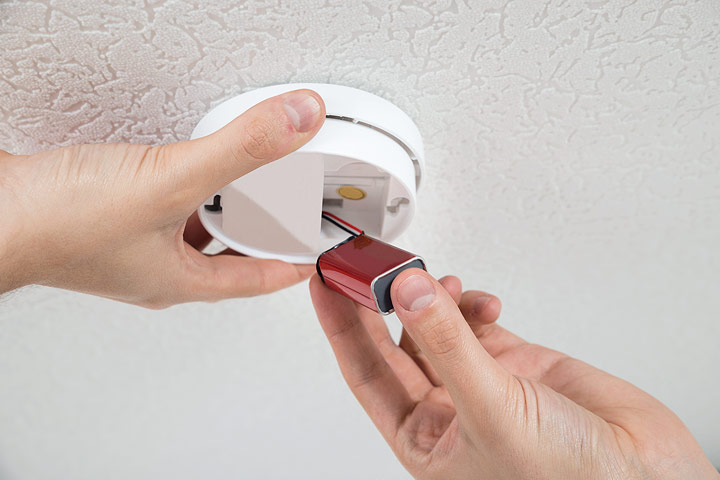
If you haven’t checked the age of your home’s smoke alarms recently, now is a good time to do it. Smoke alarms don’t last forever, and fire officials recommend replacing them after 10 years.
In 2015, Massachusetts made a change to the state fire code, requiring replacement smoke alarms in most homes to have sealed, 10-year batteries and a “hush” feature. In 2025, Massachusetts fire officials began warning homeowners that many of the alarms installed shortly after that change were reaching the end of their useful lives.
But the issue isn’t limited to alarms installed in 2015. Whether your smoke alarms are battery-powered, hardwired, or part of a larger home fire alarm system, it’s important to know how old they are, when they should be replaced, and how to make sure they’re working properly.
At American Alarm, we take fire safety and preparedness seriously. Here’s what homeowners should know about replacing smoke alarms and maintaining the devices that help protect their homes and families.
Before we get into it, an important distinction:
Smoke alarms vs. smoke detectors
Though these terms often seem to be used interchangeably, smoke alarms and smoke detectors are different devices.
Smoke alarms are standalone units with sensors to detect smoke and fire and an alarm mechanism that makes a sound if fire is detected. They have their own power source, usually a battery, but they can be wired in and use battery backup. They aren’t typically connected to a fire panel, but they can be interconnected with other smoke alarms within a building.
Smoke detectors are sensing units that are connected to a fire and security system through a control panel. They contain sensors for detecting smoke or fire and have audio that will sound in unison with other detectors within the system.
Why this distinction matters
For consumers, the most important thing to note is that smoke alarms need to be replaced periodically, while smoke detectors don’t (though they should be tested).
A smoke alarm will often rely on a battery or battery backup, and as such, it must be replaced periodically (usually every 10 years). It’s crucial to be mindful of the battery lifetime. The devices referenced in the Boston Globe article were smoke alarms, not smoke detectors.
Conversely, smoke detectors can function successfully for many years and typically do not have a prescribed end of life. However, they should be tested periodically to ensure they are functioning as expected.
Which smoke alarms are due for replacement?
If you live in Massachusetts, you may have heard about the wave of smoke alarms installed after the state’s 2015 fire-code change. Those alarms used sealed, 10-year batteries, so many of the earliest devices installed under the new requirements reached the end of their useful life in 2025 and 2026.
However, you don’t need to know when the Massachusetts requirement changed to determine whether your smoke alarm needs to be replaced. Check the manufacturing date on the back of the device. If it is more than 10 years old (or if you can’t find a manufacturing date), replace the alarm.
How often should you replace your smoke alarm or detector?
The bottom line is that smoke alarms should be replaced every 10 years or as directed by their expiration date. Some smoke alarms include carbon monoxide detection, and these devices may have shorter lifespans. Always check the labels on your devices to verify the recommended replacement dates.
Conversely, monitored, maintained smoke detectors do not have an end-of-life of 10 years, but it is wise to test them periodically to ensure they are functioning as expected.
NEXT STEPS:
- Contact us today to learn more about security and surveillance.
- Learn more about what home and business security means to us.
- Subscribe to our blog to stay informed about the latest security news and insight.