There is something about a power outage that brings the family together. When the lights go out, it forces the family to put down their electronics and break-out the board games. While a break from technology can be nice, a long-term power outage can threaten your security.
Here are some safety tips for you to follow in case of a power outage.
Invest in a generator:
Over the past decade, much of New England has experienced more frequent and longer lasting power outages due to intensified weather. A long-term power outage can be deadly in the winter when temperatures drop below freezing. To protect your family, look into purchasing a generator.
Before you buy, research how much power you will need. Inspect labels on lightning and appliances that you will want to run. This is important because if your generator doesn’t produce adequate power, you could blow a fuse and damage your appliances.
Use your generator properly:
- Never use a portable generator indoors, including the garage, basement, or attic. They emit deadly levels of carbon monoxide, which will build up even in a ventilated area.
- If possible, install battery operated CO detectors through your home. They will warn you of dangerous CO levels.
- To avoid electrocution, keep the generator in a dry area (under a tarp, for instance).
- Always turn off the generator and let it cool down before refueling.
- Plug appliances directly into the generator, or use a heavy-duty extension cord.
- Never plug the generator directly into a wall outlet. This can pose a deadly electrocution risk to workers trying to restore power, or neighbors using the same transformer.
Properly store food/ water:
Food can spoil quickly in a power outage. Even if you avoid opening your refrigerator, the food will only stay fresh for 4 hours. Keep coolers and ice on-hand to store your food in. If you avoid opening your freezer, the food will stay safe for 24-48 hours. Stock-up on non-perishable items if you believe you may lose power.
During a power outage, your water purification system may not work. Check with local authorities if your water is safe to drink. If unsure, try to only use bottled water for drinking, cooking, and cleaning. You can also boil tap water to eliminate most harmful bacteria.
Invest in batteries/ battery operated electronics:
Some important battery operated devices to have on hand includes a flashlight, radio, and phone charger. Avoid using candles as a source of light.
Keep an eye on your security system:
You will need to silence your alarm after the power goes out. In most cases, your back up battery will last 10-15 hours. Your alarm may begin to omit a beeping noise, signaling low-battery. This beeping may become more frequent as the battery gets lower. Make sure that someone is nearby to silence the alarm. For your protection, do not power down your system.
In the event of a power-outage, the most important thing is to stay calm. Keep in mind that emergency personnel are out and working hard to restore power. If you have questions, call your local non-emergency hotline.

 If you think a bad guy has to physically break into your home to steal from you, you might want to think again. As more devices in your home become connected to the Internet—the Internet of Things (IoT)—the more data they can gather about you like Social Security numbers, bank account, and credit card information.
 There is an interesting paradox playing out in the security systems technician field both locally and across the country. At a time when the industry is growing and new technologies are driving the market, fewer people are seeking jobs in the field.
 For the first time, your little monsters, princesses, superheroes, and hobgoblins may be roaming the neighborhood without you on All Hallow’s Eve. Understandably, you’re a bit worried.
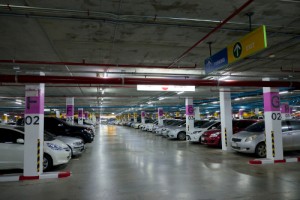 If you’re like most people, you probably use parking garages in your daily life, whether it’s on campus, at the mall, or even where you work. It’s something you do without giving it any thought.
 New England towns and cities have a reputation for charm and beauty. “Quaint” is a word often used to describe tree-lined main streets, back country roads, and ice cream socials. However, according to a recent
 Congratulations. You’ve just welcomed your first bundle of joy to the world. Now it’s time to take him or her home for the first time.
 As a parent, we try to keep our kids as safe as possible. When we’re with them, we hold their hands and tell them to look both ways when they cross the street. But what happens when your child goes to school?