
Security You Can Trust
Security Cameras vs Advanced Video Monitoring: Key Differences and Use Cases
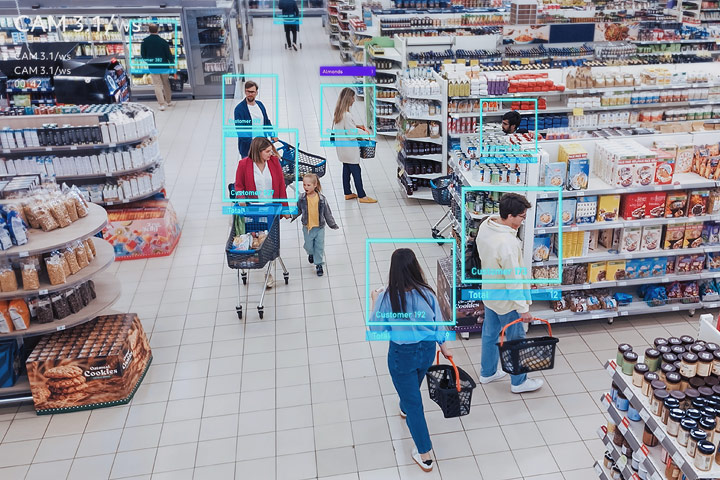 Most businesses today rely on video as part of their security strategy, but not all video systems work the same way.
Some systems are built to record activity, capturing footage that can be reviewed later. Others are designed to actively monitor and respond, with trained professionals stepping in when something happens.
These two approaches,traditional security cameras and Advanced Video Monitoring (AVM), serve very different purposes.
- Security cameras focus on recording events for later review
- AVM focuses on detecting and responding in real time
For business owners and property managers, understanding this difference is key. It can affect how quickly incidents are handled, how much loss is prevented, and how protected your property truly is.
Traditional security cameras, explained
Security cameras are a foundational part of many commercial security systems. They provide visibility into your property and operations.
Key characteristics:
- Passive system (records activity but does not respond)
- Footage is reviewed after an incident
- Video is stored locally or in the cloud
Common business uses:
- Investigating theft, vandalism, or safety incidents
- Monitoring employee activity and workflows
- Supporting insurance claims or compliance requirements
Benefits:
- Cost-effective way to document activity
- Provides valuable evidence when incidents occur
However, cameras alone don’t stop a break-in, burglar, or after-hours activity as it happens.
Advanced Video Monitoring, explained
AVM is designed for businesses that need proactive protection in addition to visibility.
With this proactive approach, your video system is connected to a monitoring center staffed by trained Monitoring Center Agents who actively respond to events.
How it works:
- Cameras detect motion or unusual activity on your property
- Alerts are sent to 24/7 monitoring center
- Operators immediately assess the situation
- Action is taken in real time, such as:
- Using live talk down strategies to prevent an incident
- Dispatching police when necessary
- Notifying key contacts
What this means for your business:
Instead of reviewing footage the next day, you have a system designed to deescalate incidents as they unfold.
Key differences, at a glance
Security Cameras vs. Advanced Video Monitoring
Function
- Cameras: Record activity
- AVM: Detect and respond
Timing
- Cameras: After the fact
- AVM: In real time
Human involvement
- Cameras: None, unless reviewing footage
- AVM: Trained operators actively engaged
Business impact
- Cameras: Help explain losses
- AVM: Helps prevent losses
Why this distinction matters for businesses
For commercial properties, the gap between recording and responding can lead to real costs.
Advanced Video Monitoring can help:
- Deter theft, trespassing, and vandalism before they escalate
- Reduce property damage and downtime
- Improve safety for employees, tenants, and visitors
- Limit liability by enabling faster response
In many cases, visible intervention, like real-time voice warnings, is enough to stop an incident before it turns into a loss.
A common concern: video storage & privacy
Some businesses hesitate to adopt monitored video because they assume it requires constant recording and large amounts of stored data.
In reality, advanced monitoring systems are designed to be more efficient.
Key points:
- Systems are typically event-driven, not continuously recorded
- Operators focus on alerts and verified activity, not constant viewing
- Video is reviewed when needed, rather than stored indefinitely
This approach helps reduce storage demands while still delivering proactive protection.
Use cases: when each option makes sense
Security cameras may be enough if you:
- Operate in a lower-risk environment
- Primarily need documentation for incidents or compliance
- Are focused on visibility rather than active intervention
Advanced Video Monitoring is a better fit if you:
- Manage higher-risk properties (e.g., construction sites, warehouses, car dealerships, multi-tenant buildings or multi-site commercial properties)
- Need reliable after-hours protection
- Want to pro-actively deter crime
- Are looking to reduce losses and improve response times
A smarter approach: layered commercial security
Many businesses benefit from combining both solutions:
- Cameras provide visibility, oversight, and documentation
- AVM adds real-time awareness and response
Together, they create a more complete security strategy that supports both prevention and investigation.
Security cameras are an important starting point — but they only show you what happened.
Advanced Video Monitoring gives your business the ability to respond in the moment, which can make a meaningful difference in preventing loss and disruption.
If your current system is limited to recording events, it may be time to consider whether a more proactive approach better aligns with your risk and operational needs.
NEXT STEPS:
- Contact us today to learn more about security and surveillance.
- Learn more about what home and business security means to us.
- Subscribe to our blog to stay informed about the latest security news and insight.