
Security You Can Trust
Cold Weather Fire Risks Families Shouldn’t Overlook
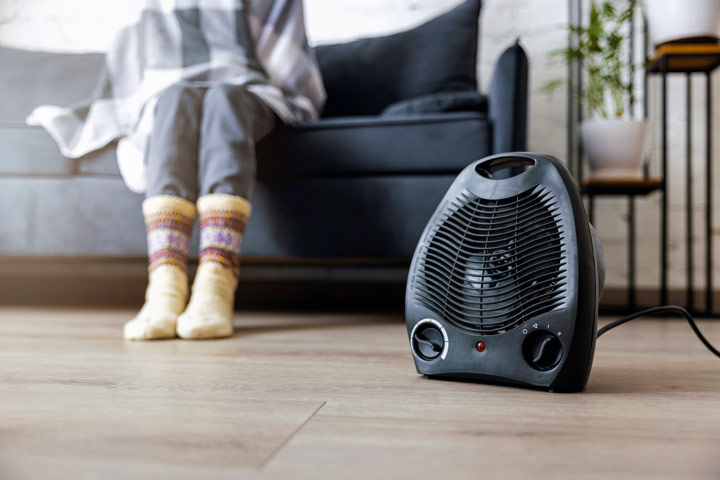 When temperatures drop in New England, families spend more time indoors and rely more heavily on heating equipment. Fireplaces glow, space heaters hum, and extra lights brighten long winter nights.
But along with that comfort comes increased risk.
Home fires are more common during the colder months and many start from everyday habits families don’t think twice about. The good news? Most winter fire risks are preventable with awareness and the right protection in place.
Here are some of the most common cold-weather fire hazards families shouldn’t overlook.
Space heaters
Space heaters are convenient, especially in older New England homes where certain rooms run colder than others. But they’re also one of the leading causes of winter house fires.
Common mistakes include:
- Placing heaters too close to curtains, bedding, or furniture
- Plugging heaters into extension cords instead of directly into wall outlets
- Leaving them running overnight or unattended
A simple rule of thumb: keep at least three feet of clear space around any heater. Always turn it off when leaving the room, and choose models with automatic shutoff features.
It only takes seconds for nearby fabrics to ignite. Once a fire starts, it can spread faster than most people expect.
Fireplaces and chimneys
There’s nothing better than a real fire on a cold Massachusetts night. But fireplaces require regular maintenance to stay safe.
Overlooked risks include:
- Creosote buildup inside chimneys
- Cracked flue liners
- Burning cardboard, wrapping paper, or treated wood
- Leaving a fire unattended
Chimneys should be professionally inspected and cleaned annually. Even a contained fireplace fire can throw sparks or ignite buildup inside the chimney.
If you use your fireplace regularly, it’s worth making maintenance part of your winter prep routine.
Overloaded outlets and holiday lighting
Winter often means higher electrical demand. Between space heaters, holiday lights, and extra appliances, outlets can quickly become overloaded.
Watch for:
- Power strips packed with multiple high-wattage devices
- Extension cords running under rugs
- Damaged or frayed wiring
- Warm outlets or flickering lights
Electrical fires often begin behind walls, which means they may burn undetected before visible flames appear. If something feels warm or smells unusual, don’t ignore it.
Alternative heating sources during cold snaps
During severe cold or power outages, some families may turn to alternative heating sources. This is especially common during New England snowstorms.
High-risk situations include:
- Using ovens or stovetops to heat a room
- Running generators inside garages or near windows
- Using propane heaters not designed for indoor use
These situations can escalate quickly. Always follow manufacturer guidelines, ensure proper ventilation, and never use cooking appliances for heating.
Why early detection is crucial in winter
Winter fires are particularly dangerous because:
- Families are often asleep when heating equipment is running
- Windows and doors are sealed tight, trapping smoke
- Heavy bedding and furnishings allow fires to grow quickly
Smoke alarms are essential. But standalone alarms only make noise inside your home. If no one hears them (or if you’re away) fires can grow before you have a chance to escape or extinguish them.
That’s where professional monitoring makes a critical difference. With 24/7 fire alarm monitoring, you can rest assured that a human will be notified if your alarm sounds. Central Station agents will quickly verify the threat, contact you, and dispatch emergency services within seconds, even if you’re asleep or out of the house.
For families throughout New England, that fast response can make all the difference during the highest-risk season of the year.
NEXT STEPS:
- Contact us today to learn more about security and surveillance.
- Learn more about what home and business security means to us.
- Subscribe to our blog to stay informed about the latest security news and insight.