
Security You Can Trust
The Evolution of Alarm Technology: 30-Year Lookback
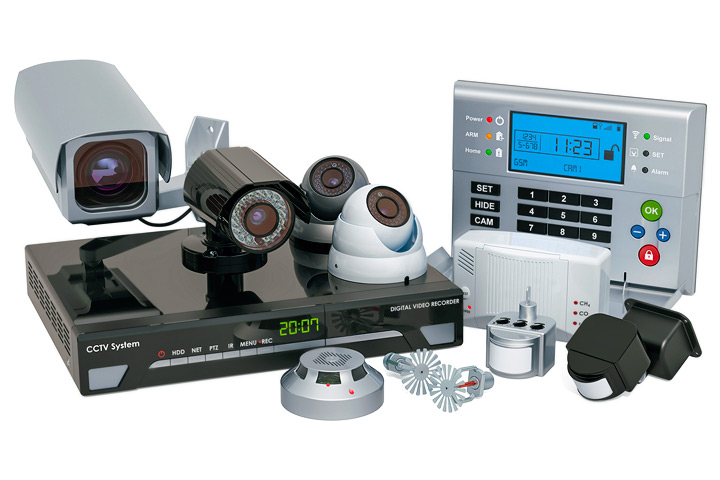 In the past three decades, alarm technology has transformed from simple, stand-alone systems into highly connected, intelligent platforms. Driven by advances in connectivity, automation, and data analytics, modern alarms don’t just detect intrusions, they give homeowners and businesses real-time insight and control over their security. For commercial facilities in particular, the changes have been revolutionary.
From landlines to wireless monitoring
In the 1990s, most alarms relied on landline-based monitoring. These systems were effective for their time, but they came with vulnerabilities. A cut phone line or local outage could disrupt monitoring, leaving a property unprotected.
Today, wireless monitoring provides faster, more reliable connections for signal transmissions. Even if a landline goes down, signals from alternate forms of communication can still get through to a central station. For businesses, this redundancy means stronger protection against both accidents and deliberate tampering.
Smart home and business integration
Alarms are no longer isolated systems. Starting in the 2000s, security technology began integrating with other building systems — lighting, locks, thermostats, and cameras. This shift has made security more flexible and convenient. In most cases, alarm systems can now be managed via a mobile app.
For businesses, integration is especially valuable. An alarm can now trigger automated responses, like locking all doors or turning on exterior lights. With centralized control, property managers can monitor and manage multiple functions from a single dashboard, reducing both risk and complexity.
The growth of AI and video surveillance
Video surveillance has also advanced dramatically. Older systems relied on basic motion detection and produced grainy footage that was often only useful after an incident.
Modern systems use AI-powered video analytics to detect unusual behavior in real time. Cameras can distinguish between people, vehicles, and animals, reducing false alarms and allowing for faster responses. For commercial properties, this proactive approach means incidents can be addressed as they unfold, rather than just recorded after the fact.
Cloud-based monitoring and management
Traditionally, managing an alarm system required on-site servers and manual updates. This setup was not only expensive but also hard to scale for businesses with multiple locations.
Cloud-based monitoring has changed that. Today’s systems allow property managers to log in from anywhere, view real-time dashboards, and receive instant alerts by phone, text, or email. For businesses, this means easier oversight, centralized control, and lower costs without sacrificing reliability.
Advanced access control systems
Access control has evolved just as dramatically as alarms themselves. In the past, security was based on physical keys or simple keypads. While functional, these methods were difficult to track and easy to compromise.
Now, businesses can rely on advanced access control systems using smart cards, mobile credentials, or even biometric scanning. These tools allow managers to decide exactly who can enter a building, when, and through which doors. Built-in audit trails also provide valuable records for compliance, investigations, or day-to-day oversight.
Looking ahead
Alarm technology will continue to evolve in the years ahead. AI will play a greater role in predicting potential threats before they escalate. Cloud-based platforms will grow more powerful and user-friendly. Also, integration with other building systems will further shift security from reactive to proactive.
For businesses, these changes mean more than just new features, they represent a fundamental upgrade in how security is managed. Staying current with the latest tools ensures stronger protection, smoother operations, and greater peace of mind.
From the landline-based alarms of the 1990s to today’s cloud-connected, AI-driven systems, alarm technology has advanced in ways that make homes and businesses safer, smarter, and more resilient. For commercial facilities especially, these innovations have turned security from a static system into a dynamic, responsive platform.
If your security system hasn’t been updated in years, now may be the time to explore what modern technology can do for you.
NEXT STEPS:
- Contact us today to learn more about security and surveillance.
- Learn more about what home and business security means to us.
- Subscribe to our blog to stay informed about the latest security news and insight.