
Security You Can Trust
Your Alarm System Is More Than 10 Years Old: Do You Need an Upgrade?
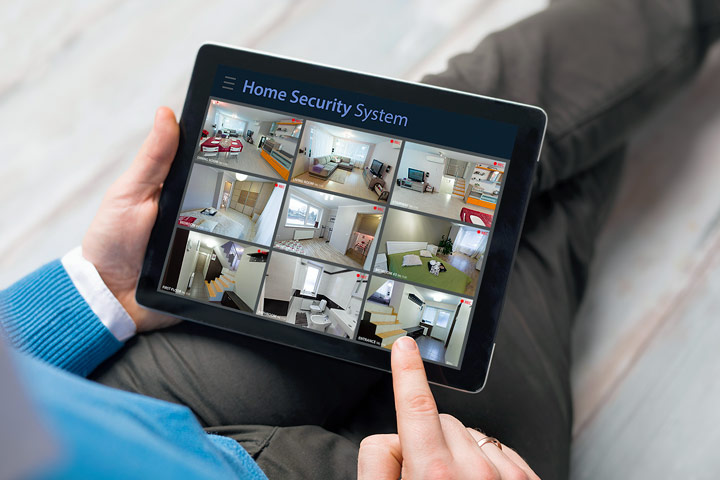 Many homeowners assume their alarm system will keep working as long as it turns on and off without issue. But like most technology, security systems don’t last forever.
If your system is more than 10 years old, it may still function day to day, but that doesn’t mean all components are providing optimal protection. Over time, both the hardware and the way your system communicates can become outdated, increasing the risk of missed signals or delayed response.
So how do you know if it’s time for an upgrade?
How long do alarm systems typically last?
Most alarm systems are designed to last about 7 to 10 years. After that, wear and tear may start to affect performance. Key components like sensors, keypads, and control panels can degrade, even if the system appears to be working normally.
There’s also the technology side to consider. Communication methods, software, and monitoring capabilities have all improved significantly over the past decade. An older system may not keep up with today’s standards for reliability and responsiveness, despite continuing to function normally.
In short, a system can be “working” but still not be dependable when you need it most.
Common issues with older alarm systems
As alarm systems age, a few common problems tend to show up.
Older control panels can become slower and harder to maintain. In some cases, replacement parts are no longer available, which makes repairs more costly, difficult, and sometimes impossible. These systems also may not support newer features like mobile access or smart integrations.
Sensors and other components can also wear out over time. This can lead to false alarms, or worse, missed alarms. Batteries degrade, wiring can weaken, and devices may not communicate as reliably as they once did.
Another limitation is connectivity. Many older systems don’t offer remote access, meaning you can’t check your system status or receive alerts on your phone. While these systems still function perfectly, homeowners may be missing out on convenient features of newer technology, like the ability to access your system remotely.
The POTS sunset: Why communication matters
One of the biggest reasons to consider an upgrade has nothing to do with your keypad or sensors but how your system communicates.
Many older alarm systems rely on traditional landlines, also known as POTS (Plain Old Telephone Service), to send signals to a monitoring center. The problem is that phone companies are phasing out these landlines.
This shift, often called the “POTS sunset,” means landline-based systems are becoming less reliable. In some cases, signals may fail to transmit altogether.
If your system can’t communicate during an emergency, it can’t do its job. That’s why communication is one of the most important parts of any monitored alarm system.
What modern alarm systems do better
Today’s alarm systems are designed with reliability and convenience in mind.
One of the biggest upgrades is cellular communication. Instead of relying on a landline, modern systems use cellular networks to send signals. This tends to be faster and more dependable, especially during outages or disruptions.
Modern systems also offer mobile control. You can arm or disarm your system, receive real-time alerts, and check in on your home from anywhere. Many systems also integrate with cameras, smart locks, and other connected devices, giving you a more complete view of what’s happening at home.
Behind the scenes, newer systems are also better at reducing false alarms and monitoring system health, which helps ensure everything is working as it should.
Signs it’s time to upgrade
If you’re not sure where your system stands, here are a few clear indicators it may be time for an upgrade:
- Your system is more than 10 years old
- It relies on a landline connection
- You’ve experienced false alarms or inconsistent performance
- You can’t access or control it from your phone
- Replacement parts are difficult to find
- Your monitoring provider has recommended an update
Upgrade or replace: What are your options?
Not every system needs to be replaced entirely. In some cases, you may be able to upgrade key components (like adding a cellular communicator) to improve reliability.
However, if your system is significantly outdated, a full replacement may be the better long-term solution. Newer systems are designed to work together seamlessly, which can improve both performance and ease of use.
A professional assessment can help you understand what makes the most sense for your home.
Your alarm system is there to protect your home and your family but it can only do that if it works when it matters most.
NEXT STEPS:
- Contact us today to learn more about security and surveillance.
- Learn more about what home and business security means to us.
- Subscribe to our blog to stay informed about the latest security news and insight.