
Security You Can Trust
How to Build a Safety Checklist for Your Business
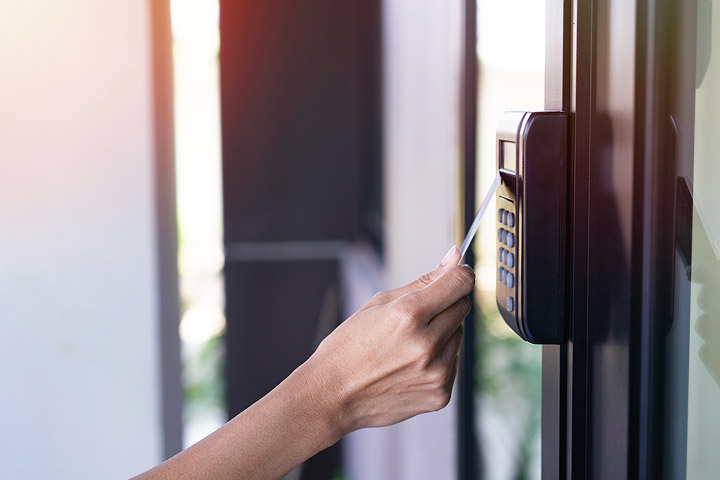 Running a business comes with a long list of responsibilities and safety is often one of the easiest to push aside until something goes wrong. But missed checks can lead to break-ins, fire damage, equipment failure, or costly downtime.
A simple safety checklist helps you stay consistent, reduce risk, and keep your business protected day-to-day. The key is knowing what to check and how often.
Why every business benefits from a safety checklist
Installing a security system is only part of the equation. Without regular checks and clear procedures, even the best systems can fail when you need them most.
A safety checklist helps you:
- Stay consistent with routine checks
- Catch issues early before they escalate
- Support compliance with safety requirements
- Keep staff aligned and accountable
It turns safety into a repeatable process that anyone in your business can follow.
What to include in your business safety checklist
Intrusion Protection
What to check:
- Doors and windows are locked at closing
- Alarm system is armed and functioning
- Sensors, motion detectors, and cameras are working
- Perimeter lighting is operational
- Employee access codes are current
Why it matters:
- Reduces the risk of break-ins and theft
- Ensures your business is protected after hours
- Helps identify issues before a security failure occurs
Fire Alarm Systems
What to check:
- Fire exits are clear and accessible
- Smoke detectors and alarms are operational
- Fire extinguishers are accessible and properly pressurized
- Emergency lighting and sprinkler systems are functioning
- Staff are familiar with evacuation procedures
Why it matters:
- Enables early detection and faster emergency response
- Reduces damage and risk to people
- Supports compliance with fire safety regulations
Access Control
What to check:
- Employee and visitor access logs are reviewed
- Active users have correct permissions
- Former employees are removed from the system
- Door hardware and card readers are working properly
- Emergency override systems are functional
Why it matters:
- Limits access to sensitive areas
- Reduces internal security risks
- Provides visibility into who is entering your building and when
Environmental Monitoring
What to check:
- Temperature-sensitive areas (e.g., server rooms, storage)
- Water leak detection systems and vulnerable areas
- HVAC system performance and unusual conditions
- Carbon monoxide or air quality alerts
- Plumbing, drainage, and roof systems
Why it matters:
- Prevents costly damage from leaks, overheating, or freezing
- Helps catch issues early before they disrupt operations
- Protects equipment, inventory, and infrastructure
Make it a routine, not a one-off task
A checklist only works if it’s used consistently. Build it into your operations:
- Assign clear responsibilities to team members
- Set schedules for daily, weekly, and monthly checks
- Keep simple records to track completion
This creates accountability and ensures nothing slips through the cracks.
A safety checklist doesn’t need to be complicated to be effective. With a clear structure and consistent routine, you can reduce risk, protect your business, and stay prepared for the unexpected.
Start with the core areas and build a checklist that fits your operations. Over time, these small actions create a safer, more resilient business.
NEXT STEPS:
- Contact us today to learn more about security and surveillance.
- Learn more about what home and business security means to us.
- Subscribe to our blog to stay informed about the latest security news and insight.