
Security You Can Trust
Five Common Home Security Terms to Know
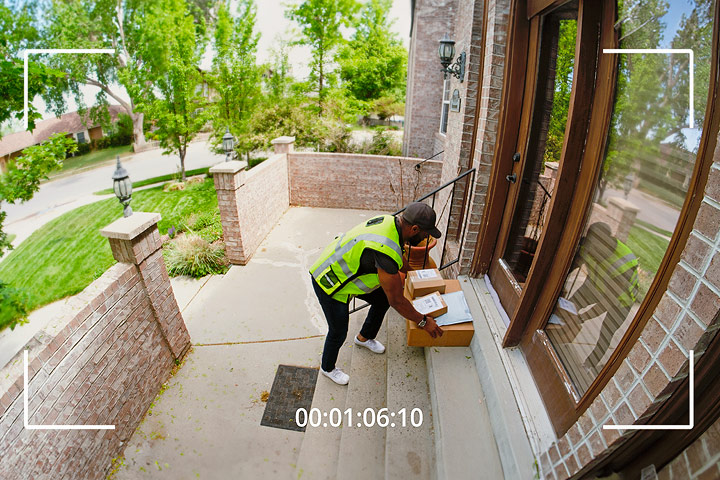 When it comes to home security, sometimes it feels like you need to be an expert in technology to understand the terms being used to describe the different options and how they work. To help you understand the home security arena a little better, we’ve compiled a list of terms that you should know and will help you to feel more confident:
Smart home
Smart home security refers to devices like appliances, lighting, thermostats, cameras, and sensors that link to a unified system controlled remotely via smartphone. Smart home features offer greater control over energy use by adjusting temperature, setting lighting schedules, and even opening or closing curtains or shades automatically.
At American Alarm, we believe smart home security integration is key to keeping your family safe. Smart home devices enhance security by enabling features such as automated door locking, video doorbells, and real-time video monitoring, helping homeowners respond quickly to potential threats.
Smart home features can also make life easier. For example, if you’re already in bed but not sure if you locked the front door, check your security app to verify and hit the lock button to secure your home. No need to get up!
Monitored security
Monitored security refers to a home security system linked to a professional monitoring center that operates 24/7. This service detects emergencies such as break-ins, fires, or other urgent situations and promptly notifies you. If needed, the monitoring center also dispatches emergency responders to ensure timely assistance.
For a deeper explanation of how monitored security works as well as its benefits, visit American Alarm’s detailed guide.
Non-monitored security
Non-monitored security means your home security system is not connected to a professional monitoring service. Instead, you receive alerts directly through a loud alarm, a notification on your smartphone, or both. Once alerted to a potential threat, you are responsible for assessing the situation and contacting emergency services if necessary.
While this option often involves no monthly fees and gives you full control, it also requires prompt attention to ensure your home’s safety. Check out this guide for more info on the differences between monitored and non-monitored security systems.
Wireless home security
Wireless home security systems use cellular signals or wireless frequency transmissions to connect to sensors and cameras, eliminating the need for hardwired connections. Wireless home security systems rely on a power supply to run and are easy to install. Wireless home security also integrates well with smart home devices, which adds convenience and control to homeowners.
Environmental sensors
Environmental sensors monitor important things such as water leaks, toxic gases (such as carbon monoxide and natural gas), and extreme temperatures that may be harmful to you or your property. You or your central monitoring station will be notified of any issues before they become larger, more expensive ones.
Flood sensors, for example, can catch leaks before they do extensive damage. Invisible gases can be detected by gas detectors.
Demystifying home security
Our hope is that understanding these home security terms will help you feel more empowered to make decisions and take steps that will protect your property and loved ones. Whether you’re deciding between monitored or non-monitored systems, exploring the features of smart homes, or learning the ins and outs of various sensors, having a solid grasp of commonly used terms will help you have clarity and confidence.
NEXT STEPS:
- Contact us today to learn more about security and surveillance.
- Learn more about what home and business security means to us.
- Subscribe to our blog to stay informed about the latest security news and insight.