Enhanced Access Control for Your Building Means Fewer Break-Ins
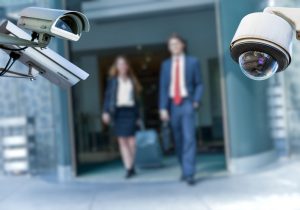 Whether it’s an office, school or apartment building, secure access control is a concern for everyone. For property owners, the responsibility of keeping residents and property safe from criminals is a top priority. Surprisingly, most burglars choose the most obvious and simple ways to break in. The most common time for a break in to happen is between 10 am and 3 pm and they usually go right through the front door. If they are bold enough to do that in broad daylight, they probably have no reservations about sneaking through the gate of a complex. Read more →
 What is social engineering? Social engineering is the act of psychological manipulation of people into performing specific acts (breaking normal security procedures). It is used in over sixty-six percent of all attacks by hackers whether it’s warranty exploitation or attempting to breach company data. According to the FBI, social engineering scams have cost U.S. businesses 1.6 billion since 2013. A couple types of social engineering attacks are called phishing and pretexting.
  Often called the “silent killer,” carbon monoxide is a colorless, odorless gas that can be fatal in high concentrations. Every year,